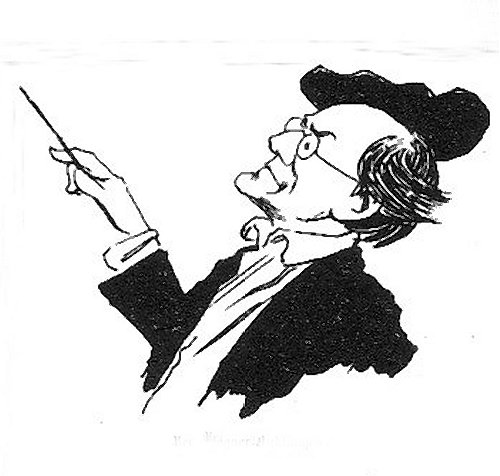

Der Evangelimann, Tristan und Isolde for dummies


Der Evangelimann. The story takes place in a Benedictine monastery in St. Othmar. It is the early nineteenth century. There we find the clerk Mathias, who is in love with Martha, his boss’s daughter. Highly inappropriate, of course, and Mathias is logically dismissed. Now follows a twist that can be called unique in the world of opera. There is someone else in love with Martha, namely Mathias’ brother, Johannes, but Martha wants nothing to do with him. Brother dearest does not accept this, and in revenge he sets fire to the monastery. (To clarify: this is the action of a lone wolf, not a terrorist attack on a Roman Catholic institution.) A Marinus van der Lubbe-type situation ensues, because it is not the pyrophilic brother but Mathias who is identified as the perpetrator: 20 years in prison, and court verdicts were not appealed at that time. After his release, Mathias travels around the country as a preacher. His brother Johannes, a classic villainous baritone, has become a wealthy businessman through shady dealings and has settled in Vienna. That he eventually becomes seriously ill is an undeniable case of reaping what you sow. Thirty years after the fire in the monastery, the two brothers meet again. Matthias —a preacher, after all!— forgives Johannes, allowing the latter to die in peace.
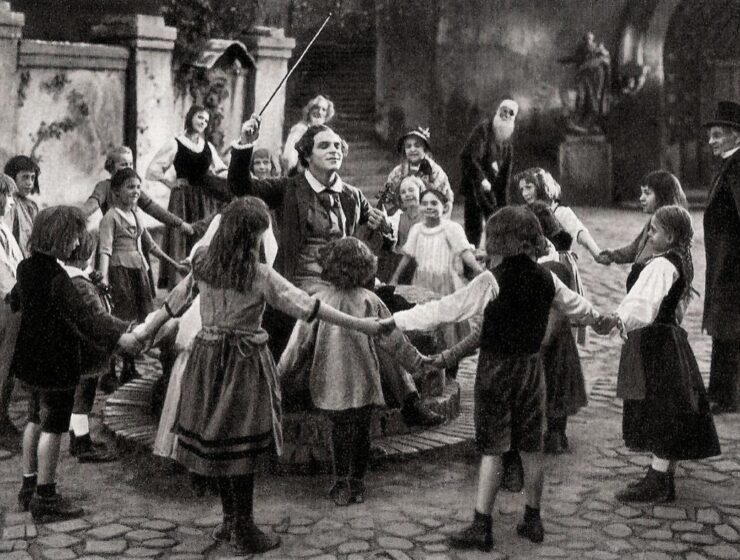
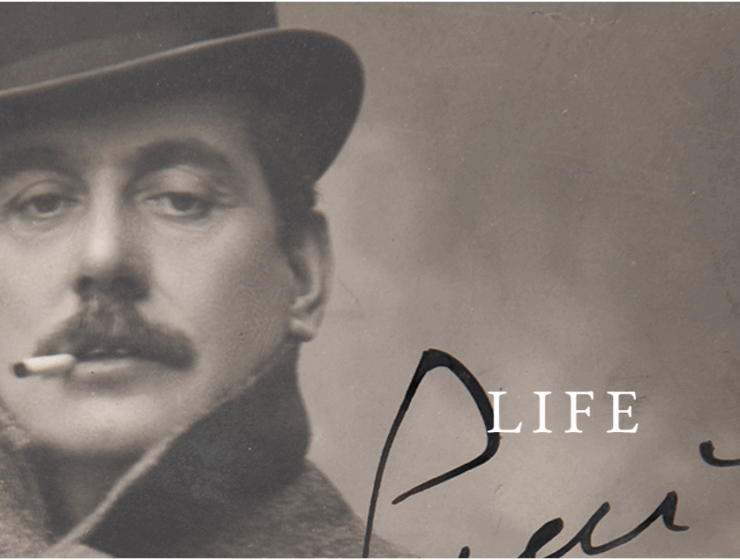
Der Evangelimann, Tristan und Isolde for dummies

Der Evangelimann. Het verhaal speelt zich af in een benedictijnenklooster in St. Othmar. We schrijven begin negentiende eeuw. Daar hebben wij de klerk Mathias, hij is verliefd op op Martha, de dochter van zijn baas. Hoogst ongepast natuurlijk, en Mathias wordt logischerwijs ontslagen. Nu volgt een wending die uniek genoemd mag worden in de operawereld. Er is nóg iemand verliefd op Martha, namelijk Mathias’ broer, Johannes, maar Martha moet niets van hem hebben. Dat laat broerlief niet op zich zitten, en uit wraak steekt hij het klooster in brand: actie van een lonely wolf, geen terroristische aanslag op een Rooms-katholiek instituut. Er ontspint zich een Marinus-van-der-Lubbe’tje, want niet de pyrofiele broer maar Mathias wordt als dader aangewezen: 20 jaar de bak in, en Peter de Vries moest nog geboren worden. Na zijn vrijlating reist Mathias als predikant door het land. Broer Johannes, een klassiek snode bariton, heeft zich via mondkapjes-achtige praktijken ontwikkeld tot een rijke zakenman, zetelend in Wenen geworden. Dat hij uiteindelijk ernstig ziek wordt is een onmiskenbaar geval van boontje komt om zijn loontje. Dertig jaar na de brand in het klooster ontmoeten de twee broers elkaar weer. Matthias -predikant immers!- vergeeft Johannes, waardoor de laatste in vrede kan sterven.

Die Frau ohne Schatten
Katie Mitchell: Die Frau ohne Erwartungen

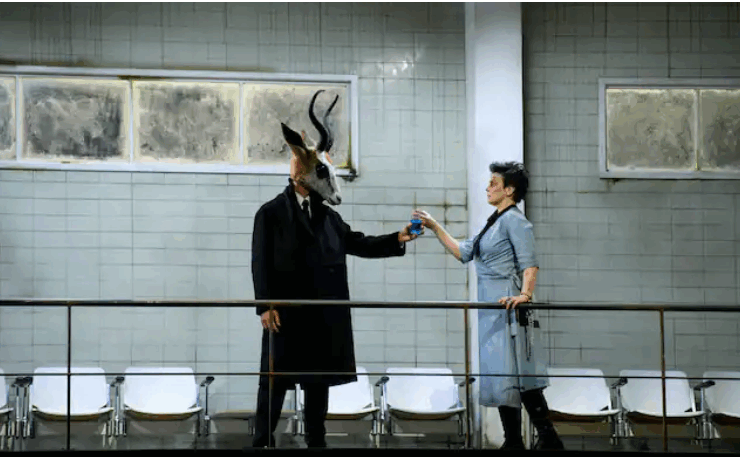
Katie Mitchell. But now to the other celebration. Katie Mitchell is quitting opera directing. No more operas will be judged according to strict feminist standards. The misogyny of Mozart, Donizetti and Handel will have to be tackled by other misguided souls, and Mitchell herself now has plenty of time to work on the long-awaited maintenance of her sense of insignificance and the healing of her narrowed “Weltanschauung.

Amsterdams Opera Koor
Amsterdams Opera Koor met Elenora Hu

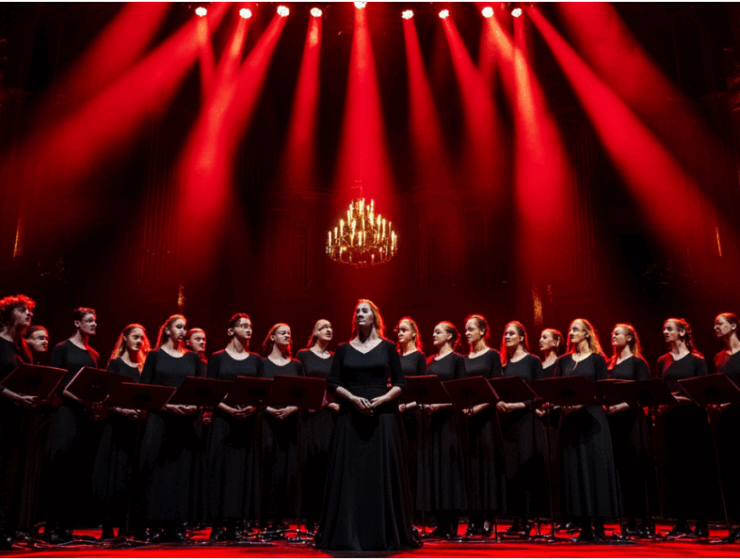
Amsterdams Opera Koor bestaat in mei precies 75 jaar. Dat wil het koor vieren met een feestelijk concert in de Amsterdamse Dominicuskerk, Spuistraat 12 op zondagmiddag 11 mei a.s. van 15.00 tot 17.00 uur. Op het programma staan de mooiste werken uit het rijke repertoire van het koor, o.a. stukken uit Anna Bolena en Maria Stuarda van Donizetti, delen uit La sonnambula en Norma van Bellini, Carmen van Bizet en Saffo van Pacini.

Die Frau ohne Schatten
Katie Mitchell: Die Frau ohne Erwartungen

Katie Mitchell. Vocaal zakte de cast, op een enkele uitzondering na, onder een zelden vertoonde ondergrens. Vooral het gekrijs van Aušrinė Stundytė (Baraks Weib) en Michaela Schuster (Die Amme) was onverdraaglijk. Orkest, dirigent en koor waren en gelukkig ook nog: voortreffelijk. Regie: een artistiek misgewas dat het niveau van Fidelio nog wist te passeren qua zotteklappige rimram. En frauduleus: etikettenzwendel! Geen enkele relatie met Strauss’ Die Frau ohne Schatten. Het piblike werd weer eens opgelicht, en kreeg niet waar het voor betaald hadm aar een ruime hoeveelheid idioterie, waanzin, nonsens, gekkenwerk, lulkoek, larie, quatsch en zotternij.

Stage Directors
Stage Directors

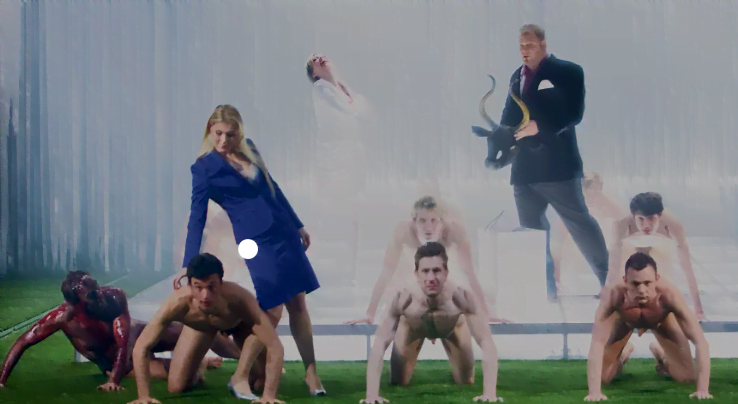
Stage Directors. What, you may ask, is the REAL purpose of Regietheater? Those sitting at the VERY top no longer care to foot the bill for art and culture. The method, then, is to destroy it, piece by piece, until the audience stays at home, rummaging through their audio recordings and dusty DVDs, looking for a taste of art from a bygone era.

Conductors
Conductors

Conductors. I once worked with a well-known mezzo-soprano who was singing Eboli in Don Carlo for the first time. During rehearsals she said she found the slow section of the ‘O Don Fatale’ quite slow. At the premiere, the con-ductor slowed it down and wound down the tempo so much that King Kong with three lungs could not have mastered it. She then paid dearly during the soaring climax at the end.