Una Lady Macbeth del distretto di Mcensk
Dmitri Shostakovich, Teatro alla Scala da Milano
A terrible opera
There are works that can be described as ‘terrible’. Dmitri Shostakovich’s Lady Macbeth of the Mtsensk District is one of them. Terrible because of the story it tells, terrible because of the fate it brought upon its composer, terrible because of the almost inhuman demands of its score. And, at the opening of the season at La Scala in Milan, terrible also for the ordeal inflicted on its creator.
Terrible for the composer
This opera cost Shostakovich dearly. Yet everything was going his way when the work premiered in January 1934 in Leningrad and Moscow. It was an instant triumph. Within a few months, Lady Macbeth had established itself, even reaching American stages.
But 26 January 1936 was to be a fateful date. Stalin attended a performance at the Bolshoi. Two days later, Pravda published an anonymous and chilling verdict: ‘Chaos replaces music’. From then on, everything fell apart. The work disappeared, and the composer was condemned to silence and fear.
It was not until Stalin’s death, and then several more years, that the original version regained its place. As a result, each time it is performed, we hear the echo of the violence inflicted on the artist.
Terrible for the conductor
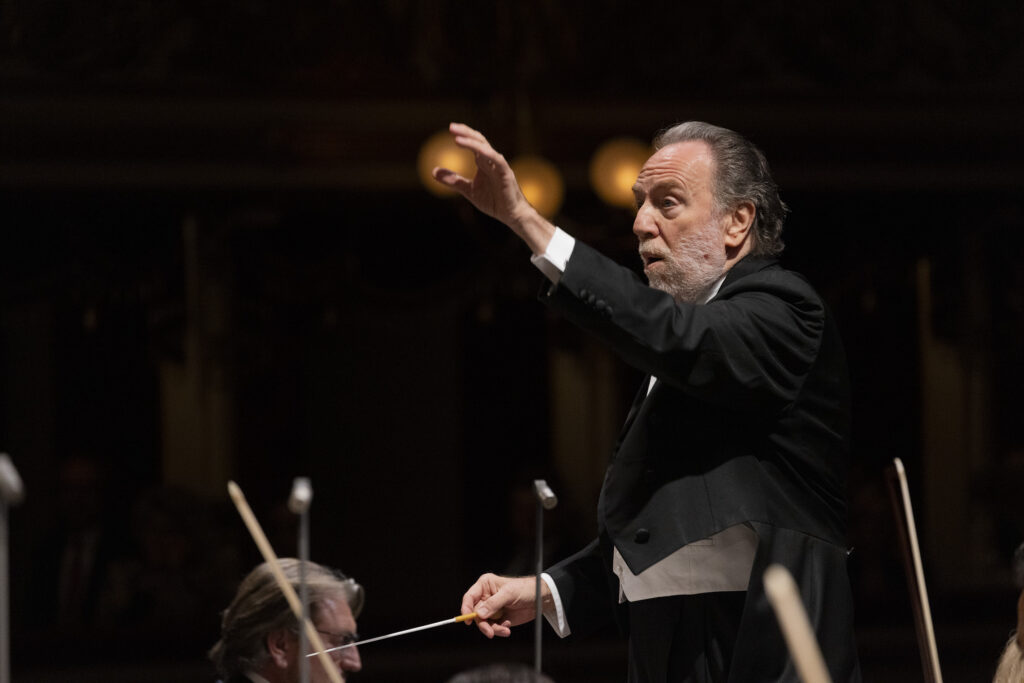
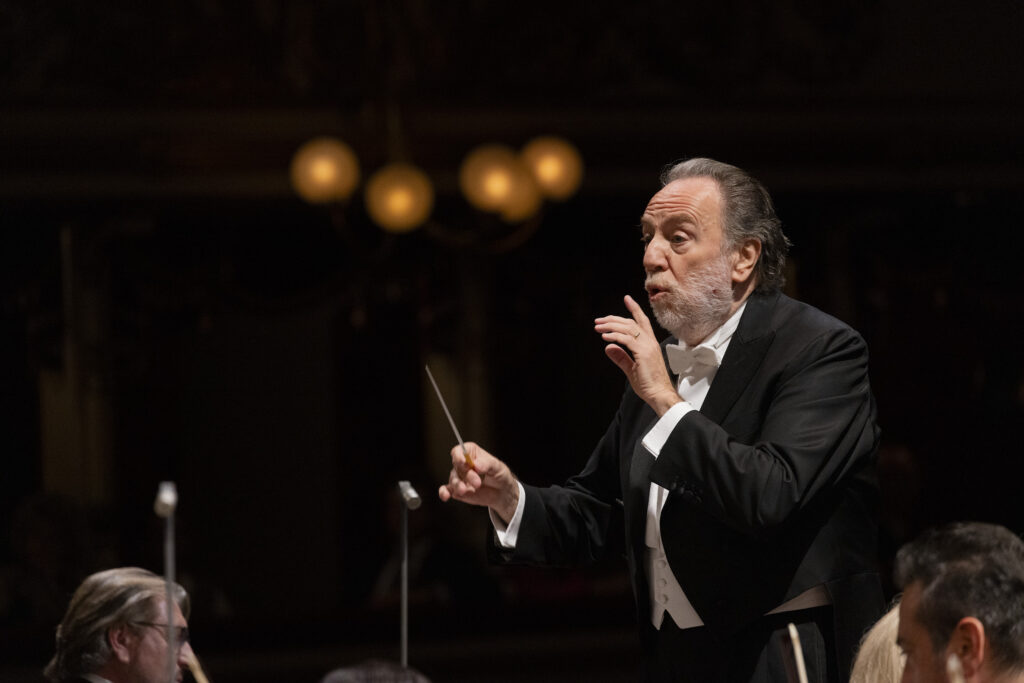
In Milan, the opera took on an unexpected additional dimension. During the second performance, on 10 December, Riccardo Chailly suffered a heart problem at the end of the first act. The evening was interrupted. Fortunately, Chailly has now returned to the pit to resume conducting this score, which he himself described as ‘at the limit of what is feasible’.
Terrible in its plot
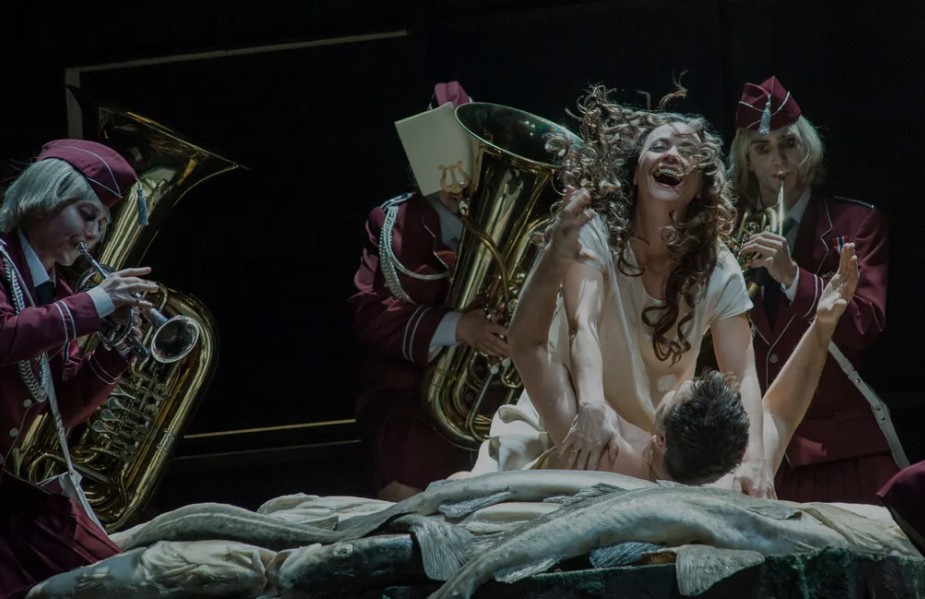
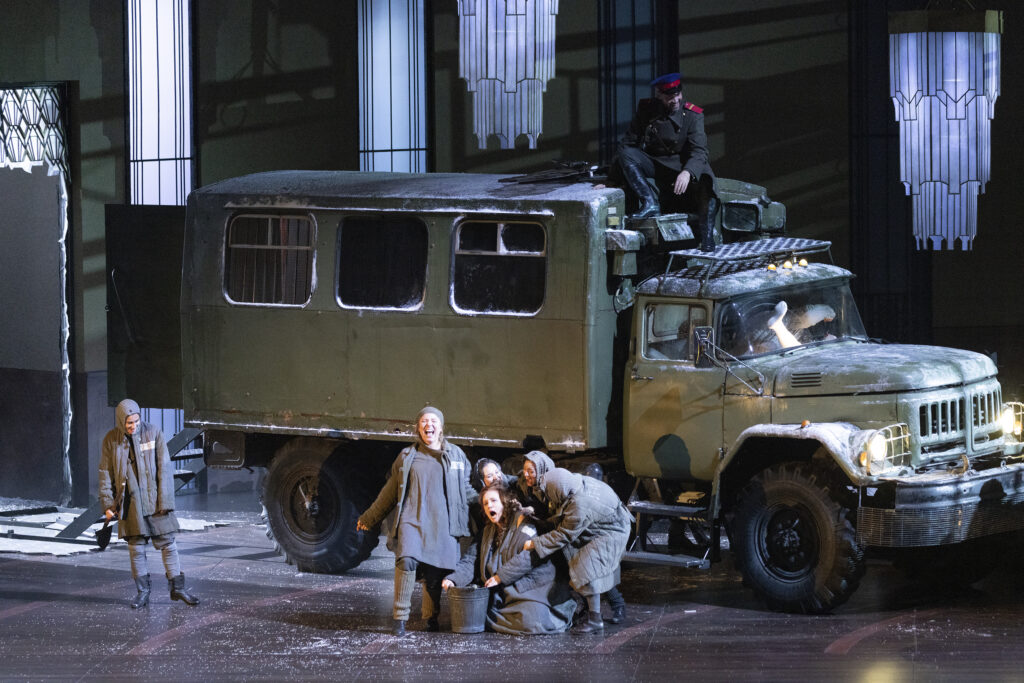
The plot captivates us. Katerina, trapped in a loveless marriage and threatened by her violent and lecherous father-in-law, discovers passion with Sergei. A passion that will lead to poisoning and murder. This will send the guilty parties on their way to the penal colony. Katerina will be betrayed by the one she trusted. She will commit suicide.
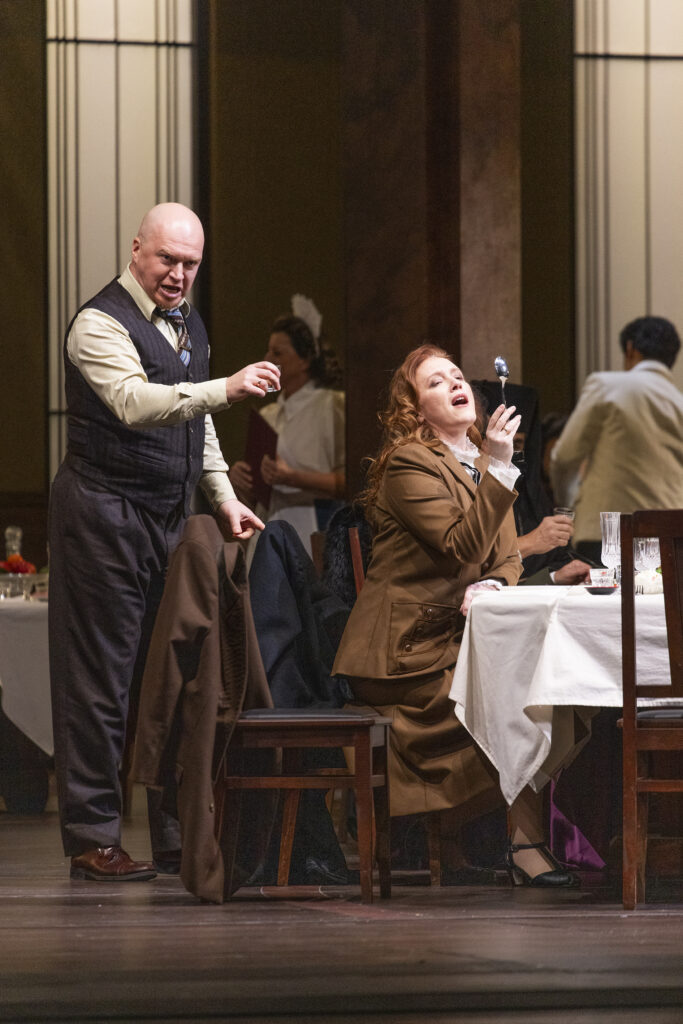
Katerina is one of those characters who linger in your mind long after the performance. When you see her, it is difficult not to think about the permanence of male violence and the repetition of the same mechanisms of oppression, yesterday as today.
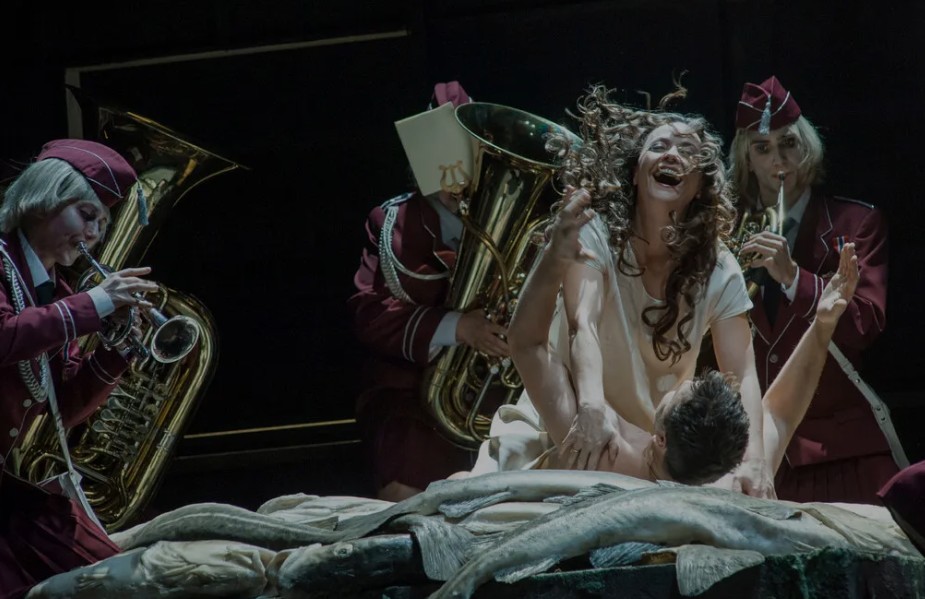
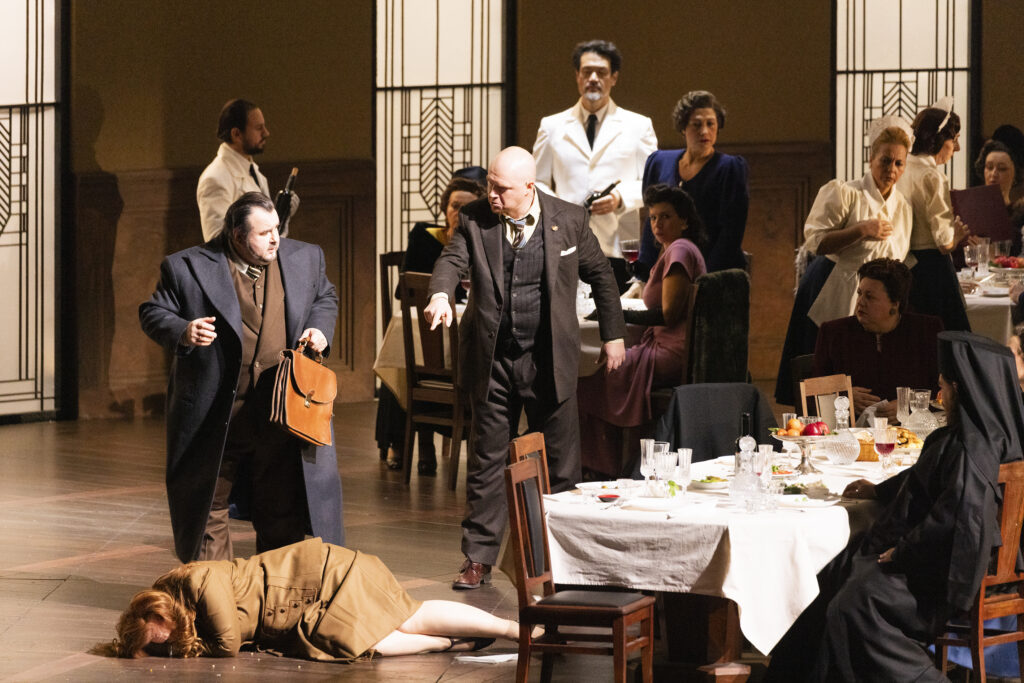
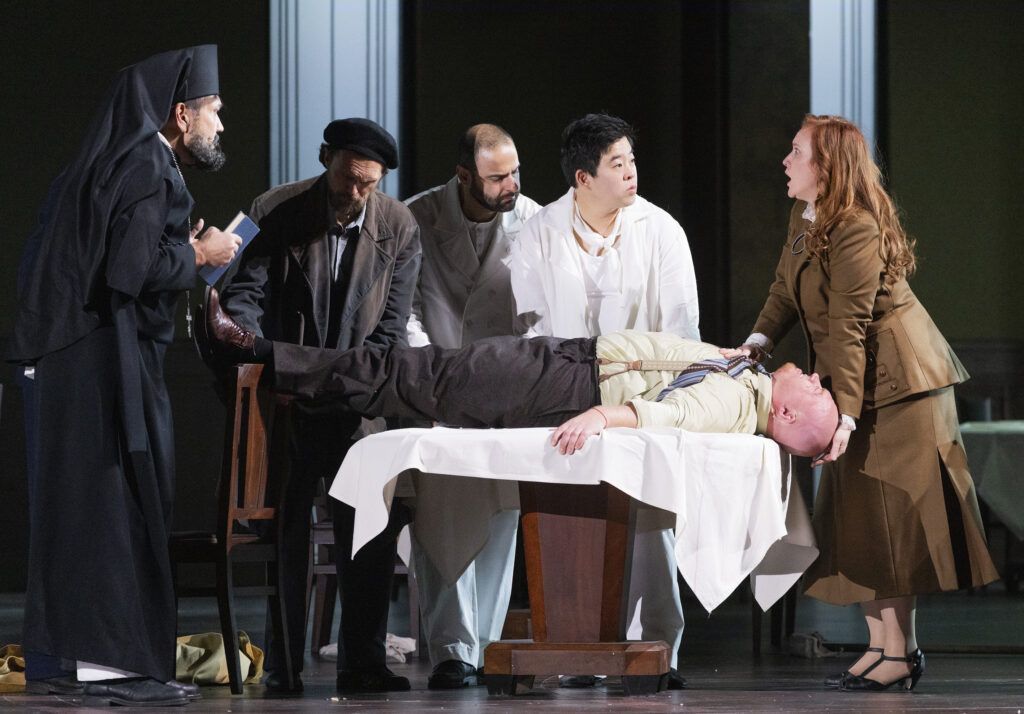
Why Lady Macbeth? Shakespearean echoes run throughout the work: the decision to kill, the ghost that appears during a banquet scene, and comic sequences, such as the one featuring the drunken priest who must be replaced for the funeral ceremony.
Terrible in its score
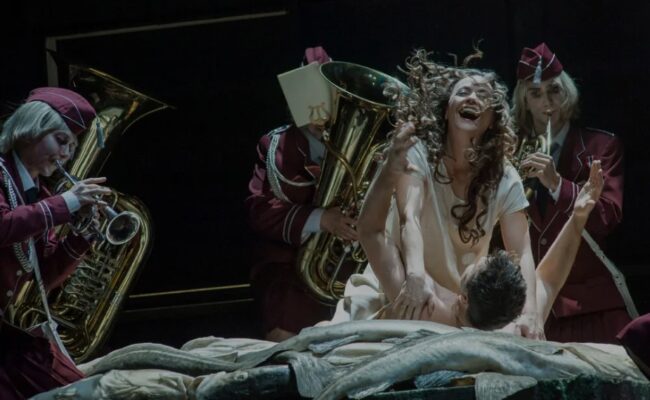
As for the score, it moves, impresses, and exhilarates. The contrasts are as beautiful as they are necessary: orchestral outbursts, scenes of exhilarating intimacy, crowd scenes, interludes reminiscent of a Greek tragedy chorus.
Under the baton of Riccardo Chailly, the La Scala Orchestra displays impressive precision, power and sensitivity, both in the great ensemble passages and in the instrumental lines.
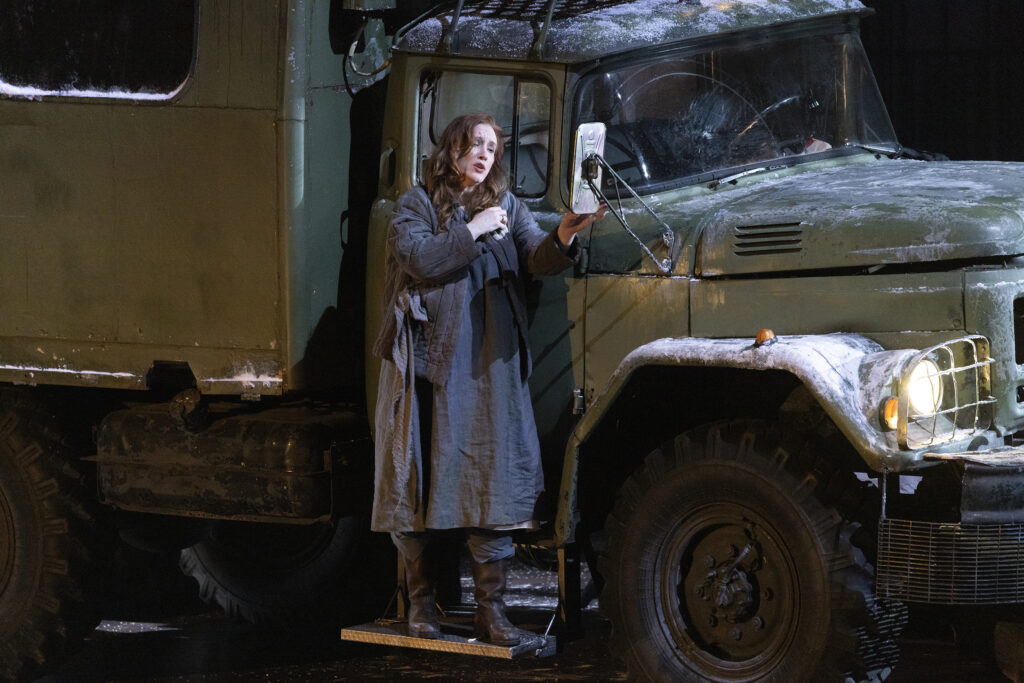
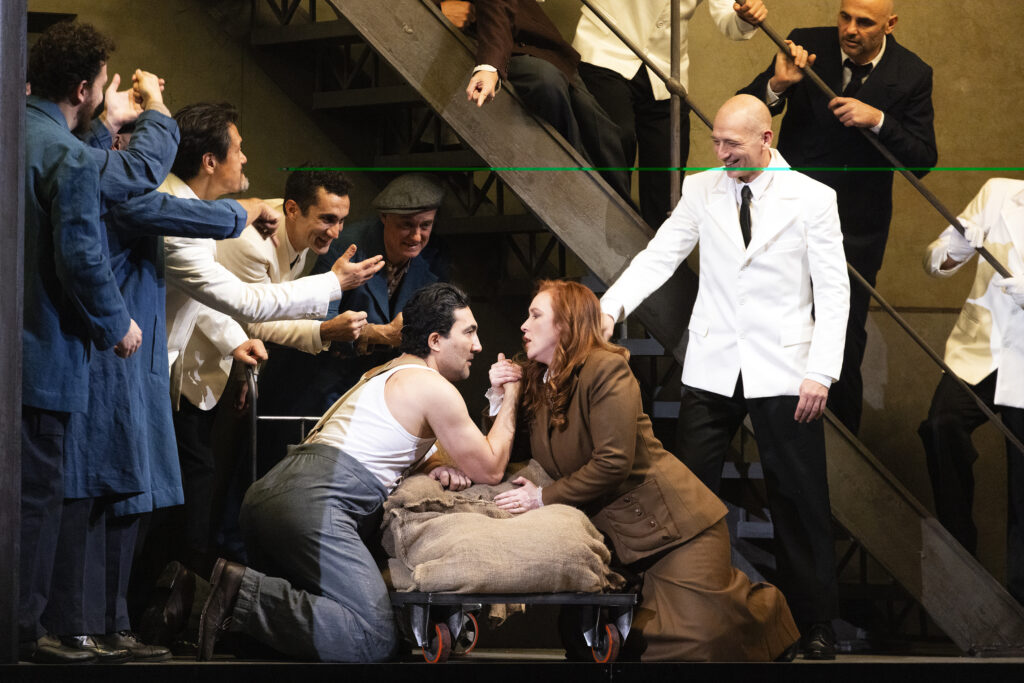
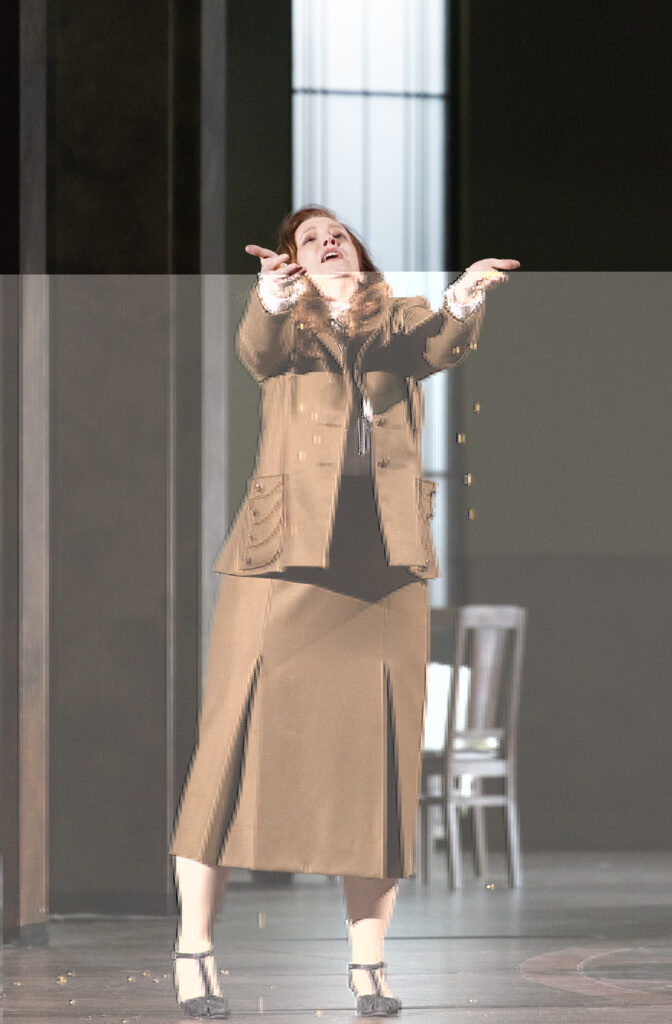
As for the soloists, Sara Jakubiak is a deeply moving Katerina in her vocal and physical performance. Najmiddin Mavlyanov plays a seductive Sergei, indifferent to what he provokes and inexorably sets in motion. Alexander Roslavets imposes a brutal, primitive, and disturbing Boris. Around them, remarkably, each role is played with rare intensity.
Imaginative staging that serves the work well
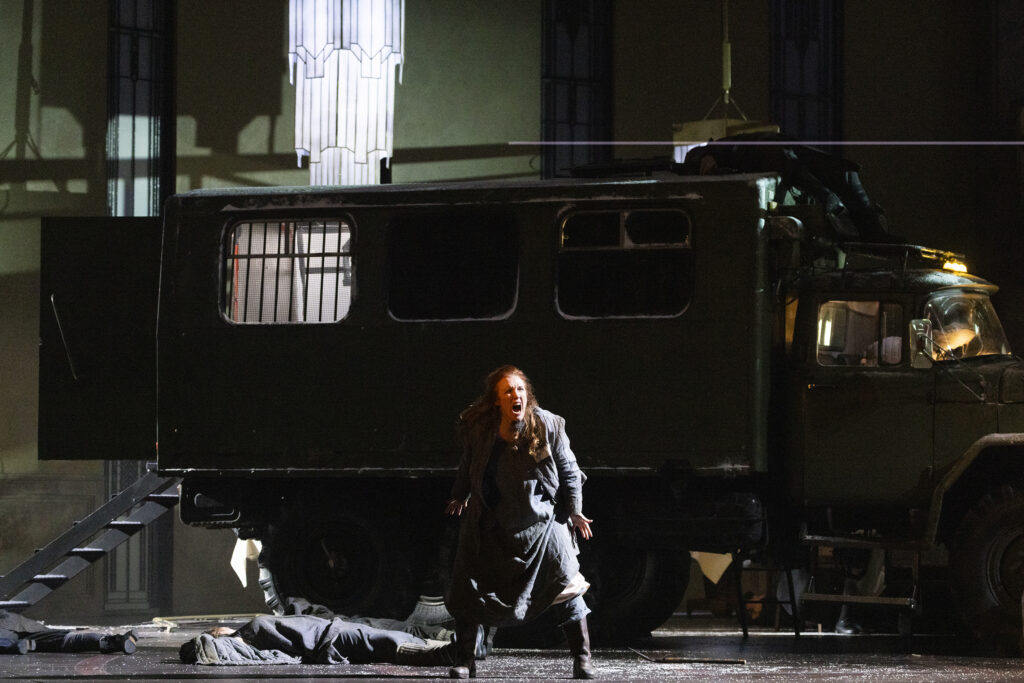
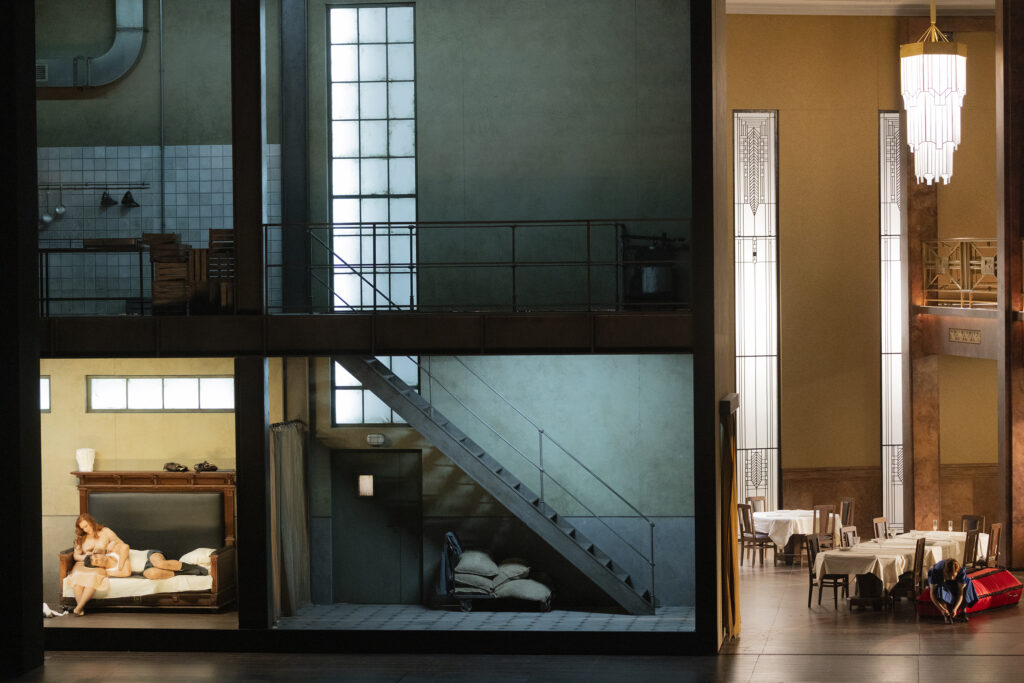
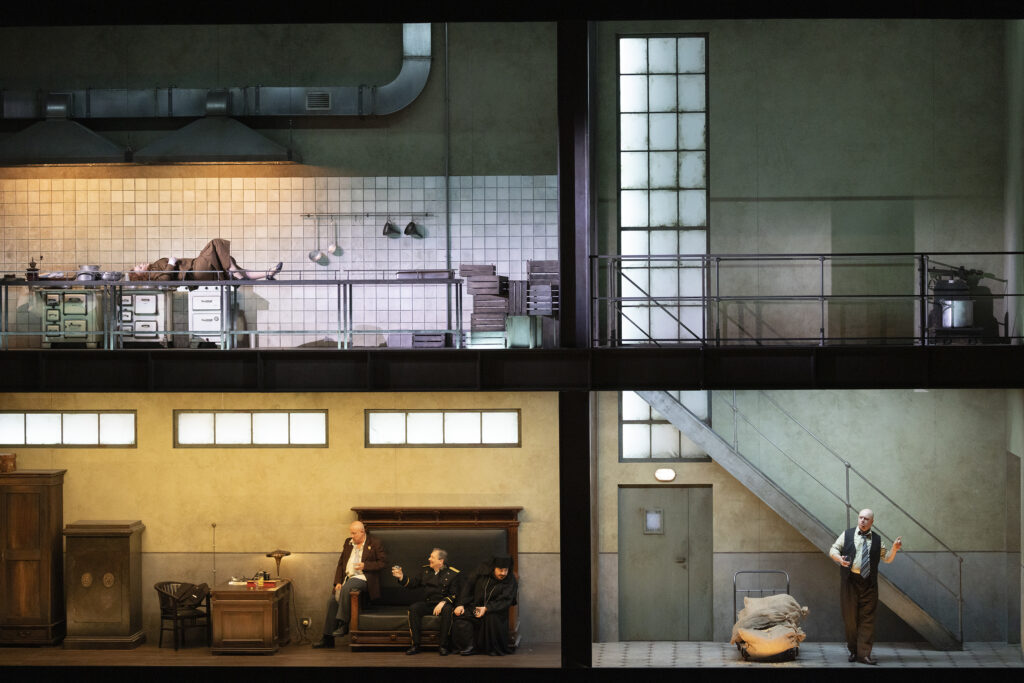
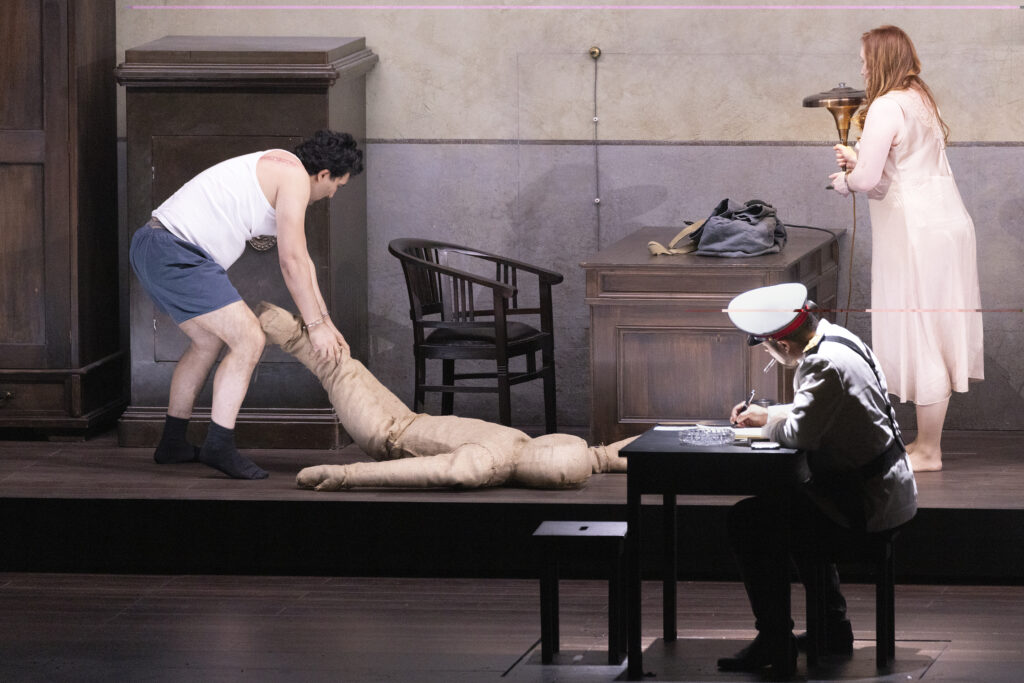
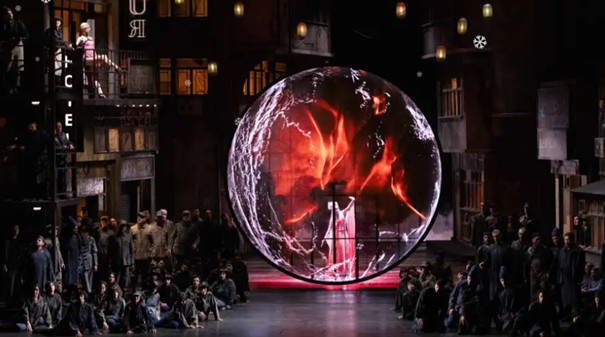
Vasily Barkhatov‘s staging struck me with its intelligence and clarity. The idea of a police investigation, with interrogations during the orchestral interludes, structures the narrative by creating a welcome distance in the flow of intense sequences. The whole thing takes place in a monumental set representing a typical Soviet hotel (Zinovy Margolin), with a sliding side compartment that reveals the intimate sequences.
Everything flows together with remarkable fluidity. Certain images will remain etched in the memory: the arrival of a lorry on stage, the final scene of self-immolation by fire.
Lady Macbeth of the Mtsensk District is certainly a terrible opera, which is precisely why it is unmissable.
Stéphane Gilbart
Lady Macbeth del distretto di Mcensk